
Epigenetic Modulation by Fermented Plant-Based Functional Foods: A New Frontier in Neurodegenerative Disease Prevention
-
David Chinonso Anih


Department of Biochemistry, Faculty of Biosciences, Federal University Wukari, Taraba, Nigeria
Verwiyeh Silas TatahDepartment of Biochemistry, Faculty of Biosciences, Federal University Wukari, Taraba, Nigeria
Kenneth Chinekwu UgwuokeDepartment of Biochemistry, Faculty of Biosciences, Federal University Wukari, Taraba, Nigeria
Richard-Harris Nsenreuti BoyiDepartment of Biochemistry, Faculty of Biosciences, Federal University Wukari, Taraba, Nigeria
| Received 18 Aug, 2025 |
Accepted 29 Oct, 2025 |
Published 10 Nov, 2025 |
Neurodegenerative diseases, including Alzheimer’s and Parkinson’s, represent an urgent global health challenge marked by progressive cognitive and motor decline. Existing pharmacotherapies largely address symptoms without altering disease progression. Recent advances in epigenetics and nutritional neuroscience suggest novel dietary approaches for neuroprotection. This review investigates the potential of fermented plant-based foods to modulate epigenetic mechanisms involved in neurodegeneration. These foods, enriched through microbial fermentation, produce bioactive metabolites, such as short-chain fatty acids, phenolic derivatives, and peptides that can regulate gene expression via DNA methylation, histone modification, and microRNA activity. Emphasis is placed on the microbiota-gut-brain axis as a critical interface for transmitting dietary signals to the brain. Fermented foods such as kimchi, tempeh, miso, turmeric, and garlic are examined for their capacity to influence neuroprotective epigenetic pathways. Molecular mechanisms, including JAK/STAT, PI3K/Akt, and GLP-1/PGC-1α signaling, are reviewed for their roles in modulating inflammation, synaptic plasticity, and mitochondrial health. The article also evaluates emerging clinical and preclinical evidence supporting these foods’ cognitive benefits. A key focus is the interindividual variability in microbiome-epigenome interactions, which underscores the need for personalized nutrition. Methodological challenges, such as standardizing fermentation protocols and identifying active compounds within complex food matrices, are discussed as barriers to translational research. By integrating findings from nutritional biochemistry, microbiome science, and neuroepigenetics, this review highlights fermented plant-based foods as promising candidates for dietary strategies aimed at preventing or slowing neurodegenerative processes.
| Copyright © 2025 Anih et al. This is an open-access article distributed under the Creative Commons Attribution License, which permits unrestricted use, distribution, and reproduction in any medium, provided the original work is properly cited. |
INTRODUCTION
Neurodegenerative disorders, including Alzheimer’s disease, Parkinson’s disease, and other conditions that impair cognition and motor function, have emerged as a pressing global health concern. These illnesses are marked by the gradual breakdown and loss of nerve cells, resulting in progressive declines in memory, movement, and overall cognitive abilities. With an aging global population, the incidence of neurodegenerative diseases is projected to rise substantially, placing considerable strain on healthcare systems and society worldwide1. Despite extensive research, current pharmacological treatments remain largely symptomatic and fail to halt or reverse disease progression.
Recent breakthroughs in molecular biology have underscored the pivotal influence of epigenetics in the development of neurodegenerative disorders. Epigenetic modifications-heritable yet reversible chemical changes that regulate gene activity without altering the DNA sequence-are increasingly recognized as fundamental mechanisms driving both the onset and progression of these diseases. These include DNA methylation, histone modification, and non-coding RNA expression, all of which influence key biological processes such as synaptic plasticity, neuronal survival, oxidative balance, and neuroinflammation1,2. Unlike genetic mutations, epigenetic alterations are dynamic and modifiable, rendering them attractive targets for both prevention and therapeutic intervention.
One of the most influential environmental factors shaping the epigenome is diet. In particular, the microbiota-gut-brain axis has emerged as a vital communication network whereby gut microbial activity influences brain function and epigenetic programming through neuroactive metabolites, immune signaling, and endocrine pathways. Within this framework, dietary components that modulate the gut microbiota and generate bioactive compounds have garnered interest for their potential to affect brain health through epigenetic mechanisms.
Plant-based functional foods, renowned for their richness in polyphenols, flavonoids, dietary fiber, and antioxidants, have demonstrated neuroprotective potential in numerous preclinical and epidemiological studies. When subjected to fermentation, these plant matrices undergo microbial biotransformation, leading to enhanced bioavailability of phytochemicals and the production of novel metabolites, including Short-Chain Fatty Acids (SCFAs), indole derivatives, and bioactive peptides, all of which have demonstrated potential to influence epigenetic pathways implicated in neurodegeneration2.
However, the majority of existing studies focus on isolated bioactive compounds or purified extracts, neglecting the synergistic interactions and complex food matrices present in whole fermented plant foods. This reductionist approach overlooks the cumulative and potentially amplified effects that may arise from consuming fermented foods as a whole dietary intervention3. Furthermore, the field remains underexplored in terms of human clinical evidence, microbiome-epigenome interactions, and methodological standardization, limiting the translational potential of current findings.
This review aims to bridge this critical knowledge gap by investigating the epigenetic mechanisms through which fermented plant-based foods may influence the onset and progression of neurodegenerative diseases. It provides a multidisciplinary synthesis that integrates nutritional neuroscience, epigenetics, microbiome science, and functional food biochemistry, with a focus on elucidating how dietary fermentation enhances the therapeutic profile of plant foods. By mapping current findings and identifying research challenges, this review aspires to inform future strategies for nutritional interventions, personalized medicine, and public health policies targeting brain aging and neurodegeneration.
MATERIALS AND METHODS
This chapter outlines the methodology employed for the selection, analysis, and synthesis of literature included in this review. A systematic strategy was adopted to ensure the inclusion of high-quality, relevant studies that explore the relationship between fermented plant-based foods, epigenetic mechanisms, and neurodegenerative disease models.
Literature search strategy: A comprehensive literature search was conducted across several academic databases, including PubMed, Scopus, and Web of Science, to identify peer-reviewed studies published between 2017 and 2025. Keywords and Boolean operators were combined to formulate search queries.
These included terms such as “fermented foods”, “plant-based diet”, “epigenetics”, “DNA methylation”, “histone modification”, “microRNA”, “gut-brain axis”, “short-chain fatty acids”, and “neurodegenerative diseases”.
Inclusion criteria were defined to encompass original research articles, systematic reviews, and meta-analyses focusing on: The use of fermented plant-based foods or their bioactive components; Epigenetic endpoints, such as DNA methylation, histone modifications, or microRNA (miRNA) expression; and Neurodegenerative contexts, including in vitro cell models, in vivo animal studies, and human clinical trials.
Studies that centered solely on synthetic compounds or lacked relevance to both fermentation and epigenetics were excluded. Foundational studies providing definitions and frameworks for probiotics, prebiotics, and fermented foods were included to provide conceptual clarity4,5.
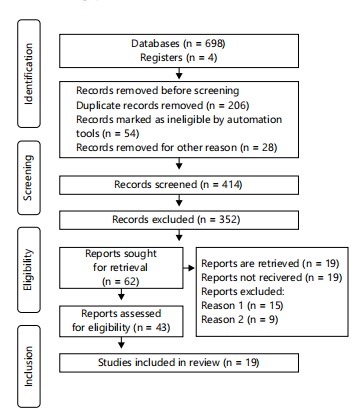
This PRISMA-style flowchart Fig. 1 illustrates the systematic process used to identify, screen, assess eligibility, and include studies relevant to this review on fermented plant-based foods, epigenetic regulation, and neurodegenerative outcomes. Sources were gathered through structured database searches, followed by duplicate removal, abstract/title screening, and full-text evaluation. Inclusion criteria centered on studies linking fermented plant foods to epigenetic markers and neuroprotective pathways across in vitro, in vivo, and clinical research. This method aligns with best practices for systematic review methodologies in microbiota-gut-brain research and neuroepigenetics4,5.
Scope and type of studies included: This review synthesizes findings from a range of study types to provide a holistic view of the current research landscape. These include: In vitro studies that examine molecular changes in response to fermented polyphenol-rich extracts6. In vivo animal models investigating behavioral, biochemical, and histological outcomes related to fermented dietary interventions6. Human clinical trials and meta-analyses exploring the impact of dietary fermentation and microbiota modulation on brain health and cognition6,7. Consensus and position statements that standardize the use of terms
such as probiotics and prebiotics and offer guidance for the interpretation of microbiome-based studies7. This diversity of evidence was critical for triangulating insights across cellular, organismal, and population health levels.
Bioinformatic tools and databases utilized: For studies involving molecular or omics-level data, bioinformatic resources were referenced to interpret and validate mechanistic findings. These included: KEGG (Kyoto Encyclopedia of Genes and Genomes) for metabolic and signaling pathway mapping related to neuroprotection and inflammation; STRING for identifying protein-protein interaction networks influenced by fermented food-derived compounds; QIIME 2, used in microbiome studies for taxonomic classification and functional profiling, which informed how fermented foods alter microbial populations and their metabolites8,9. These tools facilitated a deeper understanding of how fermented plant foods may influence epigenetic pathways through both microbial and host-mediated mechanisms.
Thematic analysis and data synthesis: A thematic categorization framework was applied to organize findings from selected studies. Core themes identified included: Microbiota modulation through fermented foods and its relevance to neuroinflammation; Polyphenol-microbiota interactions and the transformation of bioactives into epigenetically relevant metabolites10. Short-Chain Fatty Acid (SCFA) production and its role in Histone Deacetylase (HDAC) inhibition, particularly in relation to neuroprotection and gene expression10,11.
Bioactive-mediated brain-gut signaling, especially through fermented plant matrices enriched with antioxidants and prebiotic fibers11.
Inconsistencies across methodologies, limited human clinical validation, and insufficient exploration of whole food matrices rather than isolated compounds were flagged as critical research gaps. These limitations informed the development of future research questions and are addressed in later chapters.
RESULTS AND DISCUSSION
This chapter presents a synthesis of the key findings on how fermentation modifies the phytochemical properties of plant-based foods, the epigenetic mechanisms implicated in neurodegeneration, and the emerging evidence supporting the epigenetic potential of specific fermented plant foods.
Phytochemical changes induced by fermentation: Fermentation is a transformative biochemical process that significantly modifies the phytochemical profile of plant-based substrates. This process is particularly effective in enhancing polyphenolic content, facilitating the biotransformation of flavonoids, and generating novel bioactive compounds, including postbiotics and bioactive peptides. These changes not only increase the nutritional value of foods but also contribute to their functional properties, such as antioxidant, antimicrobial, and metabolic regulatory activities12.
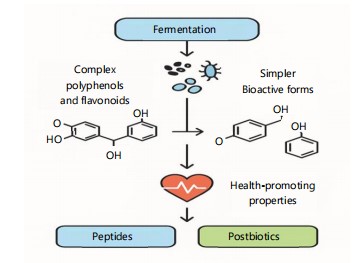
Figure 2 visually encapsulates the phytochemical transitions that occur during fermentation, serving as a conceptual anchor for understanding the section’s key arguments. The schematic highlights how microbial fermentation catalyzes the breakdown of complex polyphenols and flavonoids into simpler, more bioavailable compounds with enhanced health-promoting properties12,13. Similarly, fermentation processes have been shown to yield antimicrobial peptides and bioactive metabolites, reinforcing the functional potential of this technique12,13.
Enhanced polyphenol content and flavonoid biotransformation: During fermentation, microorganisms such as Aspergillus, Lactobacillus, and Saccharomyces spp., catalyze the hydrolysis and conversion of complex polyphenols and glycosylated flavonoids into simpler, more bioavailable phenolic forms. This enhancement of antioxidant potential is linked to the enzymatic breakdown of complex phenolic structures, which increases their bioactivity and absorption in the human gut12,13.
Similarly, the fermentation of plant matrices has been associated with the generation of peptides and phenolic derivatives exhibiting potent bioactivities. Such processes can yield bioactive peptides with enzyme-inhibitory activities, thereby highlighting their potential role in modulating postprandial glycemic response13.
Generation of novel bioactive metabolites and postbiotics: Fermentation can also induce the generation of new bioactive metabolites and postbiotics, non-viable microbial products or metabolic byproducts that exert health benefits. Some peptide fractions generated through enzymatic hydrolysis and fermentation have been found to possess strong antimicrobial activity, with implications for food safety and preservation13.
Moreover, the fermentation of diverse plant substrates has demonstrated the potential to produce bioactive postbiotics that influence energy metabolism and inflammation. Multiple studies have highlighted how fermentation modifies plant-derived compounds into bioactives capable of exerting anti-obesogenic effects via mechanisms involving gut microbiota modulation and improved metabolic homeostasis1.
These transformations during fermentation not only increase the diversity and functionality of phytochemicals but also improve their stability and bioavailability, making fermented plant-based foods a promising avenue for nutritional interventions and the development of functional foods.
Figure 2 represents the dynamic biochemical transformations during fermentation, highlighting the conversion of complex polyphenols and flavonoids into simpler bioactive forms. The process also results in the generation of health-promoting compounds such as peptides and postbiotics. These metabolites contribute significantly to antioxidant, anti-obesogenic, and antimicrobial activities observed in fermented plant-based foods12-14.
Epigenetic targets relevant to neurodegeneration: Epigenetic mechanisms heritable modifications in gene expression that occur without altering the DNA sequence are increasingly implicated in the pathophysiology of neurodegenerative diseases. Among these mechanisms, DNA methylation, histone modifications, and microRNA (miRNA) regulation have been identified as central to the onset and

progression of neurodegenerative conditions such as Alzheimer’s Disease (AD) and Parkinson’s Disease (PD)15. To provide a clearer visualization of the intricate epigenetic modifications discussed in this section, Fig. 3 offers a conceptual snapshot of the three major pathways currently linked to neurodegenerative pathophysiology: DNA methylation, histone modifications, and microRNA regulation.
Starting with DNA methylation, the diagram highlights key neuroprotective genes such as BDNF, ApoE, and SIRT1, whose hypermethylation has been associated with reduced gene expression, impaired synaptic function, and mitochondrial dysfunction key hallmarks in conditions like Alzheimer’s and Parkinson’s diseases15. The figure then transitions to histone acetylation and deacetylation, emphasizing how alterations in chromatin structure specifically histone H3 and H4 hypoacetylation can limit access to transcription machinery, thereby silencing genes essential for memory formation and synaptic plasticity15,16.
Lastly, the role of microRNAs, particularly miR-124 and miR-132, is visually integrated into the network. These non-coding RNAs are shown modulating gene expression post-transcriptionally, influencing inflammation, neuronal differentiation, and synaptic stability. Dysregulation of these miRNAs has been implicated in both early and late stages of neurodegeneration15,16.
DNA methylation and key neurodegenerative genes: The DNA methylation is a critical epigenetic process involving the addition of methyl groups to cytosine residues, primarily at CpG islands, leading to transcriptional repression. In neurodegenerative diseases, aberrant methylation of specific genes such as BDNF, ApoE, and SIRT1 has been documented. BDNF is essential for synaptic plasticity and neuronal survival; its hypermethylation has been associated with reduced expression in Alzheimer’s disease models16. Similarly, altered methylation patterns of the ApoE gene, particularly the ε4 allele, have been linked with increased amyloid plaque accumulation and tau pathology16. The SIRT1, a NAD-dependent deacetylase that promotes neuronal survival and mitochondrial function, also demonstrates epigenetic repression through increased promoter methylation in neurodegenerative conditions16. These findings underscore the significance of DNA methylation in regulating gene networks crucial to neuroprotection, metabolic balance, and synaptic maintenance.
Histone modifications and cognitive function: Histone acetylation and deacetylation are essential for chromatin remodeling and gene transcription. Histone acetylation, particularly of H3 and H4 tails, typically enhances transcription by loosening chromatin structure, facilitating gene access. In neurodegenerative diseases, a global reduction in histone acetylation has been observed, correlating with cognitive impairment and reduced expression of memory-associated genes such as CREB and BDNF16,17. In contrast, increased Histone Deacetylase (HDAC) activity contributes to transcriptional repression, inflammation, and neuronal death. Therapeutic strategies targeting HDACs especially HDAC2 and HDAC6 have shown promise in restoring synaptic function and reducing neuroinflammation16,17. These histone modifications are not merely passive markers of pathology but active participants in gene-environment interactions that influence disease progression.
This conceptual diagram illustrates three primary epigenetic pathways implicated in neurodegenerative diseases: DNA methylation, histone modifications, and microRNA regulation. The DNA methylation of genes such as BDNF, ApoE, and SIRT1 is associated with impaired neuroplasticity, lipid metabolism, and mitochondrial function, contributing to neuronal dysfunction. Histone acetylation and deacetylation processes modulate chromatin structure and gene transcription, with hypoacetylation being linked to cognitive decline and increased neuroinflammation. Furthermore, dysregulation of neuroprotective microRNA especially miR-124 and miR-132 affects neuronal differentiation, synaptic signaling, and inflammatory responses, exacerbating neurodegenerative progression. Together, these epigenetic modifications provide critical mechanistic insight into the pathophysiology of neurodegeneration and offer potential therapeutic targets15-17.
MicroRNA regulation of neuroprotective pathways: MicroRNAs (miRNAs) are short, non-coding RNAs that post-transcriptionally regulate gene expression by targeting messenger RNAs (mRNAs) for degradation or translation inhibition. Among the miRNAs implicated in neurodegeneration, miR-124 and miR-132 are especially prominent. The miR-124 is known to promote neuronal differentiation and suppress microglial activation, making its downregulation a contributing factor in neuroinflammation and neuronal loss in AD and PD17. Likewise, miR-132 regulates synaptic plasticity and axonal growth, and its dysregulation is linked to tau hyperphosphorylation and synaptic failure. Changes in miRNA expression profiles offer potential biomarkers for early diagnosis and novel targets for therapeutic modulation17.
Fermented foods with known or potential epigenetic activity: Fermented foods are increasingly recognized not only for their nutritional value and probiotic content but also for their emerging role in modulating epigenetic mechanisms relevant to brain health. The neuroprotective effects of these foods are largely attributed to their bioactive components and the metabolites generated during fermentation. These compounds can modulate gene expression through epigenetic mechanisms, including DNA methylation, histone modification, and the regulation of non-coding RNAs. This section examines fermented products such as kimchi, tempeh, miso, fermented turmeric, and fermented garlic, highlighting their established or potential influence on epigenetic pathways in neural systems.
Kimchi: Kimchi, a traditional Korean fermented vegetable dish, is rich in lactic acid bacteria and phytochemicals such as glucosinolates and phenolic compounds. These components have been shown to exert neuroprotective effects by modulating oxidative stress, neuroinflammation, and apoptotic pathways. Certain strains isolated from kimchi influence the gut brain axis and may alter histone acetylation patterns that regulate neuroplasticity¹ . Other findings further support kimchi’s potential as a functional food supplement, identifying mechanisms by which it can ameliorate symptoms associated with neurodegenerative diseases, possibly through modulation of epigenetic regulators like sirtuins and Histone Deacetylases (HDACs)18.
|
Tempeh and Miso: Tempeh and miso, both fermented soy products, are abundant in isoflavones such as genistein and daidzein, compounds known for their phytoestrogenic and neuroprotective activities. Genistein has been found to interact with DNA Methyltransferases (DNMTs) and HDACs, thereby influencing gene expression involved in synaptic plasticity and neurogenesis18. These fermented soy products also contribute to maintaining gut microbial diversity, which may have downstream epigenetic effects via short chain fatty acid production1.
Fermented turmeric: Turmeric fermentation enhances the bioavailability of curcumin, a polyphenol with potent antioxidant and anti-inflammatory properties. Curcumin can inhibit HDACs and upregulate histone acetylation at loci involved in neuronal survival and differentiation19. In fermented form, curcumin’s epigenetic efficacy may be further potentiated by fermentation enhanced metabolic transformation, which increases its ability to cross the blood-brain barrier1.
Fermented garlic: Fermented garlic, such as black garlic, contains higher concentrations of S-allyl cysteine and other sulfur containing compounds than raw garlic. These bioactives have demonstrated neuroprotective properties in preclinical studies, acting in part through inhibition of oxidative damage and suppression of neuroinflammatory gene expression19,20. While specific epigenetic pathways remain under-investigated, emerging evidence suggests that these compounds can alter miRNA profiles and histone methylation patterns that contribute to neuroprotection19,20.
Gut-brain axis and epigenetic mediation: The gut brain axis offers a critical interface through which fermented foods exert their epigenetic influences. By modulating gut microbiota composition and producing neuroactive metabolites, fermented foods can affect brain gene expression via systemic epigenetic signaling19,20. This interaction is crucial in mediating the benefits of fermented plant based diets in cognitive aging and mood disorders19,20.
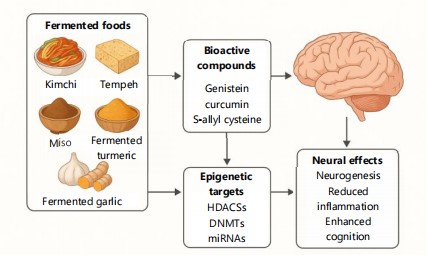
To help visualize the multifaceted pathways discussed above, Figure 4 offers an integrated schematic summarizing how fermented foods influence neural epigenetics. Beginning with five representative fermented foods, kimchi, tempeh, miso, fermented turmeric, and fermented garlic, the diagram traces the journey of their key bioactive compounds (e.g., genistein, curcumin, S-allyl cysteine) to their epigenetic
targets, such as HDACs, DNMTs, and microRNAs (miRNAs). These interactions lead to downstream neural benefits, including enhanced neurogenesis, suppression of neuroinflammatory gene expression, and improved cognitive function. For instance, curcumin from fermented turmeric has been shown to inhibit HDAC activity, thus promoting neuronal survival2, while genistein in fermented soy products modulates DNMTs to affect synaptic plasticity20. Similarly, garlic derived organosulfur compounds appear to regulate neuroprotective gene expression via miRNA interference20. The inclusion of gut brain axis interactions underscores how microbial metabolites derived from fermentation can act as epigenetic intermediaries, influencing brain function through systemic circulation and neuroimmune signaling. Collectively, Fig. 4 encapsulates the central thesis of this section: that fermented foods offer a promising avenue for neural epigenetic modulation via diet, with potential applications in the prevention or attenuation of neurodegenerative conditions20.
Figure 4 illustrates how fermented foods such as kimchi, tempeh, miso, fermented turmeric, and fermented garlic exert neuroprotective effects through epigenetic modulation. Their constituent bioactive compounds, including genistein, curcumin, and S-allyl cysteine, interact with key epigenetic regulators such as Histone Deacetylases (HDACs), DNA Methyltransferases (DNMTs), and MicroRNAs (miRNAs). These interactions influence gene expression patterns associated with neurogenesis, anti-inflammatory responses, and cognitive enhancement18-20.
Molecular pathways influenced by fermented foods: Emerging evidence underscores the profound influence of fermented foods on molecular signaling pathways that regulate neural function and resilience. These pathways, particularly those involved in inflammation, neuroplasticity, oxidative stress response, and synaptic regulation, are critical targets in neurodegenerative disease research. Central to this discussion are the JAK/STAT, IRS/PI3K/Akt, and epigenetic modulation mechanisms, all of which are increasingly recognized as being modulated by diet-derived bioactives and microbial metabolites present in fermented foods21.
Polyphenols and alkaloids found in fermented plant products, such as genistein from tempeh or curcumin from fermented turmeric, have demonstrated the ability to modulate the JAK/STAT and IRS/PI3K signaling pathways, both of which are integral to neuronal survival, synaptic integrity, and neuroimmune regulation21. Dysregulation of these pathways has been implicated in the pathogenesis of Alzheimer’s and Parkinson’s diseases, making their dietary modulation a promising therapeutic avenue21.
In parallel, epigenetic mechanisms such as histone acetylation, DNA methylation, and microRNA regulation serve as a key interface between environmental exposures and gene expression. These modifications can be both targets and mediators of neurodegenerative progression, and bioactives from fermented foods can potentially reverse aberrant epigenetic marks, thereby restoring neuronal function and attenuating neurodegeneration21.
The gastrointestinal brain axis further expands the mechanistic understanding of fermented foods in neural health. The fermentation process enhances microbial diversity and increases the production of neuroactive metabolites, such as Short Chain Fatty Acids (SCFAs), which modulate inflammation and synaptic plasticity through systemic signaling22. Plant-based fermented foods can reshape gut microbiota profiles in a way that improves cognitive performance and behavioral outcomes, particularly by enhancing the abundance of beneficial microbial taxa22.
Figure 5 provides a dynamic visual synthesis of the molecular mechanisms discussed above, bringing to life the multifaceted pathways through which fermented foods exert neuroprotective actions. This schematic illustration highlights how specific bioactive compounds, such as polyphenols and alkaloids found in fermented products, engage key signaling cascades like the JAK/STAT and IRS/PI3K pathways22,23. These pathways are central to modulating neuroinflammatory responses, enhancing synaptic resilience, and promoting neuronal survival.

Importantly, the figure also emphasizes the role of microbial metabolites, generated through gut fermentation, in influencing the central nervous system via the gut-brain axis22,23. These metabolites can modulate inflammation, oxidative stress, and epigenetic regulators like DNA methylation and histone acetylation, critical processes in neurodegenerative diseases23. Furthermore, the contribution of plant-based bioactives to gut microbiota modulation underscores their therapeutic relevance in disorders like Autism Spectrum Disorder and cognitive decline23.
In essence, Fig. 5 serves as a visual anchor for readers to grasp how fermented foods interface with molecular signaling and microbiome-mediated pathways to exert broad neuroprotective effects. It complements the textual analysis by summarizing complex biochemical interactions in an accessible and integrated format23.
Moreover, the interplay between microbial metabolites and neuroinflammatory regulation is increasingly recognized. Microbial byproducts, especially those arising from fermentation, can inhibit pro-inflammatory cytokine pathways, potentially through modulation of NF-κB and MAPK signaling cascades23. These findings provide mechanistic support for the hypothesis that fermented foods can attenuate chronic neuroinflammation, a hallmark of most neurodegenerative conditions.
Figure 5 illustrates the key molecular pathways influenced by bioactive compounds in fermented foods, such as polyphenols and alkaloids. The pathways include JAK/STAT, IRS/PI3K, and gut-derived microbial metabolite signaling. These pathways converge on epigenetic regulators and neuroinflammatory mediators, ultimately affecting processes such as neuronal survival, neurogenesis, and synaptic plasticity. The integration of gut microbiota-derived metabolites and plant-derived bioactives in these pathways underscores their therapeutic potential in neurodegenerative and neurodevelopmental disorders21-23.
Gut microbiota, fermented foods, and the gut-brain axis: The intricate communication network known as the Gut-Brain Axis (GBA) has gained considerable attention for its role in modulating brain function through bidirectional signaling between the Central Nervous System (CNS) and the gastrointestinal tract.
|
Fermented foods, by influencing the composition and activity of the gut microbiota, have emerged as potential modulators of this axis, with implications for mental health and neurodegenerative disorders.
Research shows that fermented foods such as yogurt, kefir, kimchi, and miso enhance the population of beneficial microbes like Lactobacillus and Bifidobacterium. These microbes produce neuroactive compounds, including Short-Chain Fatty Acids (SCFAs), GABA, and serotonin precursors, which can reduce neuroinflammation and improve mood and cognitive function. Diet-induced modulation of the microbiota can also influence brain plasticity and reduce neurodegenerative progression by restoring gut integrity and modulating systemic inflammation.
Clinical findings further underscore the GBA’s therapeutic relevance. For instance, studies have shown that participants consuming a fermented milk product with probiotics exhibited altered brain activity in regions associated with emotion and sensation. These findings provide neural evidence of gut-brain interaction influenced by fermented dietary interventions.
Taken together, the evidence positions fermented foods as a vital dietary component for promoting mental health and potentially mitigating neurodegenerative conditions through microbiota-mediated mechanisms.
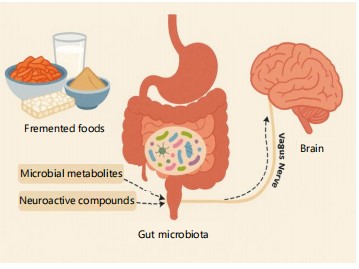
Figure 6 complements the textual discussion by illustrating how fermented food-derived microorganisms impact brain function through bidirectional communication between the gut and the central nervous system2. It also highlights evidence showing that dietary interventions can recalibrate brain health via microbial and immune intermediaries2. As such, it reinforces the therapeutic relevance of fermented foods as low-risk, non-invasive modulators of mental wellness and neurodegenerative disease resilience2.
This figure visually demonstrates the multifaceted interaction between fermented food intake, gut microbiota modulation, and neuropsychological outcomes via the gut-brain axis. Key fermented foods such as yogurt, kimchi, and kefir introduce beneficial microbes and prebiotic substrates that shape gut microbial composition. The resulting microbial metabolites, including Short-Chain Fatty Acids (SCFAs), tryptophan derivatives, and neurotransmitter-like compounds, interact with neural, immune, and endocrine signaling pathways. These metabolites influence brain function by modulating vagal nerve activity, HPA axis response, cytokine levels, and neurotransmission, ultimately contributing to improved mood, reduced anxiety, and cognitive enhancement24,25.
Clinical and preclinical evidence of neuroprotection: A growing body of clinical and preclinical research underscores the neuroprotective potential of fermented foods, probiotics, and specific microbial strains in mitigating neurodegenerative disease pathology. The emerging evidence suggests that these interventions modulate inflammatory processes, enhance neurotrophic signaling, and stabilize gut-brain axis communication.
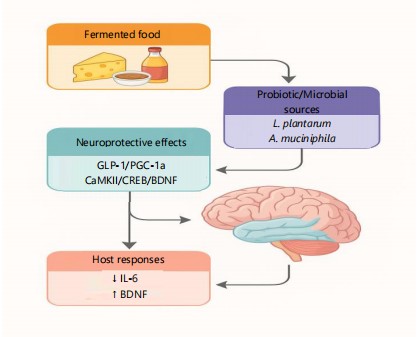
Recent animal studies offer compelling insights. Fermented soybean products (natto) have been shown to significantly ameliorate cognitive decline in senescence-accelerated mouse prone 8 (SAMP8) models26. This effect was attributed to the activation of the TAAR1 receptor, leading to downstream engagement of the CaMKII/CREB/BDNF signaling axis crucial pathways for synaptic plasticity and memory retention. Similarly, in a Parkinson’s disease mouse model, certain probiotic strains were found to suppress neuroinflammation through GLP-1 receptor activation and modulation of the PGC-1α pathway26, indicating a novel anti-inflammatory mechanism mediated by psychobiotic strains.
Human clinical trials add further credibility to these findings. In a double-blind, placebo-controlled study, multi-strain probiotic supplementation in patients with multiple sclerosis resulted in notable increases in Brain-Derived Neurotrophic Factor (BDNF) and Nerve Growth Factor (NGF), alongside reductions in pro-inflammatory cytokines such as IL-626. Importantly, participants also reported improvements in mental health indicators, reflecting both biological and subjective benefits.
Supporting these clinical observations, systematic reviews have synthesized data from randomized controlled trials assessing probiotics and fermented foods in individuals with neurodegenerative conditions26. The analyses revealed significant improvements in global cognitive function, particularly in verbal learning and memory domains, and emphasized the importance of strain specificity and dosage optimization in achieving consistent outcomes26,27.
Together, these findings establish a strong translational bridge between microbial interventions and neuroprotective outcomes, ranging from molecular modulation to behavioral restoration26,27. These studies not only validate the efficacy of fermented and probiotic-based therapies in controlled environments but also underscore their potential integration into broader neurodegenerative disease management frameworks.
The Fig. 7 illustrates the molecular and cellular pathways through which fermented foods and probiotic organisms confer neuroprotection, as demonstrated by both preclinical and clinical studies. Highlighted mechanisms include TAAR1-mediated CaMKII/CREB/BDNF signaling, GLP-1/PGC-1α/mediated neuroinflammatory suppression (Qi et al.10), and modulation of gut-brain axis dynamics by Akkermansia muciniphila. Additionally, systemic anti-inflammatory and neurotrophic effects observed in clinical populations consuming multi-strain probiotics and fermented foods are integrated into the visual schema26-28.
Figure 7 serves as a visual convergence of the multi-layered evidence presented above, highlighting the mechanistic landscape through which fermented foods and probiotics exert neuroprotective effects27,28. Rather than merely depicting isolated pathways, the diagram contextualizes how diverse strains and food-derived bioactives act across different neurodegenerative models linking hippocampal plasticity, inflammation resolution, oxidative balance, and gut-brain modulation into one interconnected framework27,28.
|
The illustration is particularly useful for appreciating the systemic and brain-specific pathways involved. For instance, the TAAR1-CaMKII/CREB/BDNF signaling activation described in animal models27,28 is not an isolated hippocampal effect but part of a broader neurotrophic network also influenced by circulating NGF and BDNF levels, as reported in human trials28. The diagram also underscores how interventions described in systematic reviews2 not only attenuate neuroinflammation but also synergize with mitochondrial and synaptic homeostasis through pathways like GLP-1/PGC-1α. Furthermore, the meta-analytic insights confirm that these mechanisms are not restricted to preclinical findings but translate into measurable cognitive outcomes in human populations2.
By unifying these findings visually, Fig. 7 reinforces the translational bridge between cellular signaling, behavioral improvements, and clinical biomarkers of neurodegeneration2. It invites readers to not only follow the molecular narrative but also to see how interventions might one day be integrated into therapeutic protocols.
Human studies and clinical evidence: Human-based studies have increasingly substantiated the mechanistic findings observed in animal and in vitro models concerning aging, gut microbiota, and neurocognitive health. Among the most transformative developments in this area is the identification of epigenetic biomarkers capable of capturing biological age and predicting health outcomes. Son et al.29 reported that brain age mediates gut microbiome dysbiosis-related cognitive decline in older adults, highlighting a measurable link between microbiome composition and neurocognitive function29.
Parallel to biomarker development, systematic evaluations have confirmed the relationship between gut microbial communities and cognitive performance in aging populations. Kossowska et al.30, in a comprehensive review, demonstrated that gut microbiota diversity and composition are consistently associated with memory, executive function, and processing speed, underscoring the gut-brain axis as a critical modulator of cognitive health in older adults30.
|
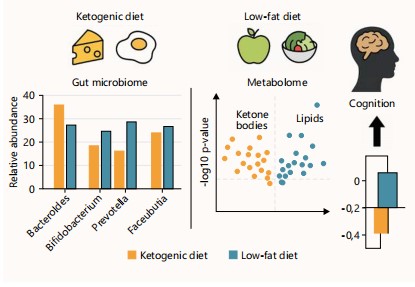
Building on these associations, Dilmore et al.31 conducted a randomized trial comparing ketogenic and low-fat diets in adults at risk for Alzheimer’s disease. The ketogenic diet was associated with significant shifts in gut microbial taxa, serum metabolites, and cognitive markers, offering evidence that tailored nutritional strategies may mitigate neurodegenerative risk via the microbiome-metabolome interface. Figure 8 illustrates the multidimensional impact of diet-based interventions on the human microbiome and metabolome, linking dietary modulation to neurocognitive health outcomes.
According to Dilmore et al.31, individuals at risk for Alzheimer’s disease exhibited distinct gut microbial signatures and metabolomic responses under ketogenic versus low-fat dietary protocols. These changes correlated with subtle yet favorable cognitive shifts under the ketogenic diet, supporting a gut-brain interaction model for early intervention. When contextualized alongside other human clinical studies exploring microbiota, brain age, and dietary strategies31, the Fig. 8 exemplifies the translational significance of microbiome modulation for aging-related neurological risk.
The figure illustrates the distinct effects of ketogenic and low-fat diets on gut microbiome composition, metabolomic profiles, and cognitive outcomes in humans at risk for Alzheimer’s disease. The gut microbiome panel shows changes in bacterial abundance (e.g., Bacteroides, Bifidobacterium, Prevotella, Faecalibacterium) under both dietary conditions. The metabolomic panel compares the relative enrichment of ketone bodies (more prominent in ketogenic diets) and lipids (more dominant in low-fat diets). The cognition panel demonstrates cognitive performance differences, suggesting a modest cognitive benefit under the ketogenic diet29-31.
Individual variation and microbiome-epigenome interplay: The interplay between gut microbiota and host epigenetic mechanisms represents a vital axis in shaping individual health outcomes. Microbial communities residing in the gastrointestinal tract influence host gene expression by producing bioactive metabolites such as Short-Chain Fatty Acids (SCFAs) that serve as substrates or inhibitors for enzymes like histone deacetylases and DNA methyltransferases. These interactions lead to systemic changes in chromatin accessibility, methylation patterns, and transcriptomic activity, thus contributing to personalized physiological responses.

|
Wu et al.32 demonstrated that diet-induced alterations in the microbiota result in broad epigenetic reprogramming across various host tissues, including the liver, adipose tissue, and immune cells. These findings suggest that the effects of diet on the host are not only nutrient-specific but also microbiota-mediated and tissue-specific. Importantly, such modifications are not uniformly observed across individuals, indicating that the host’s baseline microbial composition plays a critical role in determining epigenetic responsiveness.
In addition, Xu et al.33 uncovered profound interindividual differences in glycemic response to identical meals, which were predictable based on microbiome features. These data reinforce the premise that individual microbiota profiles influence metabolic outcomes through epigenetically regulated pathways, thereby necessitating personalized dietary recommendations. This paradigm has become especially relevant in the study of fermented foods, which are rich in microbial constituents known to modulate gut composition and downstream molecular signaling.
Muller et al.34 proposed that while fermented foods offer broad-spectrum health benefits, their efficacy varies depending on the consumer’s microbiota landscape. For instance, individuals harboring specific microbial taxa may experience enhanced SCFA production or modulation of inflammatory pathways, while others may exhibit negligible or even adverse effects. This variability underscores the need for a more tailored approach to dietary interventions involving live microbial products.
Figure 9 supports individual variation and microbiome-epigenome interplay by visually summarizing the central concept of microbiome-epigenome cross-talk and its implications for personalized nutrition strategies. It captures how individual differences in gut microbial ecosystems influence epigenetic responses to dietary interventions. This interaction is crucial for designing fermented food-based or other nutrition therapies tailored to individual epigenetic susceptibilities. The depiction of microbial metabolite pathways underscores the potential for targeting these mechanisms to modulate aging and chronic disease trajectories through nutrition32-34.
These insights collectively advocate for the advancement of microbiome-aware, epigenetically guided dietary frameworks. Personalized nutrition, underpinned by host-microbe interactions and individual epigenomic profiles, holds promise in maximizing the therapeutic potential of dietary interventions in both preventive and clinical nutrition settings.
Figure 9 illustrates the dynamic interplay between dietary inputs, gut microbiota composition, and epigenetic modulation across host tissues. Specific microbial metabolites, including short-chain fatty acids, interact with host DNA methylation, histone acetylation, and non-coding RNA pathways, thereby influencing gene expression profiles related to inflammation, metabolism, and aging. The schematic further integrates individualized dietary responses, emphasizing the need for precision nutrition approaches guided by microbiome and genomic data32-34.
|
CHALLENGES AND METHODOLOGICAL LIMITATIONS
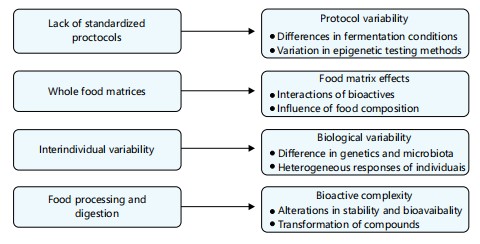
Advancements in functional food and nutrigenomics research continue to face critical methodological challenges, particularly the lack of standardized protocols for fermentation and epigenetic testing, as well as the complexities in isolating the effects of individual bioactive compounds within whole foods.
Fermentation practices vary widely across studies due to differences in microbial strains, substrates, processing conditions, and cultural traditions35. This diversity contributes to poor reproducibility and limited scalability of findings. The inconsistency becomes more problematic when combined with the intricacies of molecular testing methods such as epigenetic profiling, where protocol differences can drastically alter results.
Simultaneously, whole foods present intricate biochemical environments, making it difficult to isolate and assess the health impacts of individual bioactive compounds36. The interactions within food matrices often modulate the bioavailability and biological activity of compounds, meaning that assessing a single compound without considering the broader nutritional context can lead to oversimplified conclusions.
Moreover, biological responses to these compounds are far from uniform, as interindividual variability driven by genetic factors, gut microbiota composition, and lifestyle further complicates attempts to generalize physiological outcomes. Adding another layer of complexity, many bioactives degrade or transform during food processing and digestion, which can alter functionality and complicate identification and quantification.
Figure 10 visually synthesizes the layered methodological barriers discussed in this section. The flowchart highlights how protocol variability in fermentation, interactions within food matrix, and compound degradation during digestion collectively challenge reproducibility, mechanistic clarity, and translational potential in functional food research. This integrated view underscores the necessity for standardized analytical protocols and personalized frameworks in future studies of Liu et al.35 and Freitas et al.36.
This diagram illustrates four critical categories of challenges in functional food research: lack of standardized protocols, whole food matrix complexity, interindividual biological variability, and compound instability during processing and digestion. These elements collectively hinder the accurate evaluation of fermentation outcomes, epigenetic responses, and the isolated effects of dietary bioactives35,36.
CONCLUSION
Fermented plant-based foods hold significant promise as dietary modulators of neuroprotective epigenetic mechanisms. By enhancing bioactive compound availability and influencing the gut-brain axis, these foods offer a multifaceted approach to mitigating neurodegenerative processes. Emerging evidence supports their role in regulating key molecular pathways linked to inflammation, synaptic function, and neuronal survival. However, variability in individual microbiomes, food matrices, and methodological approaches presents ongoing challenges. Future research should prioritize human clinical trials and precision nutrition models to harness their full therapeutic potential. Integrating fermented foods into dietary strategies may represent a viable, low-risk avenue for promoting brain health and healthy aging.
SIGNIFICANCE STATEMENT
This study discovered the potential of fermented plant-based foods to regulate epigenetic mechanisms beneficial for preventing neurodegenerative diseases. Bioactive metabolites produced during fermentation influence DNA methylation, histone modification, and microRNA activity, thereby enhancing neuroprotection by modulating inflammation, mitochondrial function, and synaptic plasticity. The findings highlight the microbiota-gut-brain axis as a central pathway through which dietary signals affect brain health. This study will help researchers uncover critical areas of diet-epigenome interactions that have not been fully explored. Thus, a new theory on nutritional epigenetic modulation for neuroprotection may be arrived at.
ACKNOWLEDGMENT
We acknowledge Federal University Wukari for providing the institutional environment that facilitated this work. We also appreciate the academic support and constructive feedback from colleagues that enhanced the manuscript.
REFERENCES
- Goyal, R., P. Mittal, R.K. Gautam, M.A. Kamal and A. Perveen et al., 2024. Natural products in the management of neurodegenerative diseases. Nutr. Metab., 21.
- Gibson, G.R., R. Hutkins, M.E. Sanders, S.L. Prescott and R.A. Reimer et al., 2017. Expert consensus document: The International Scientific Association for Probiotics and Prebiotics (ISAPP) consensus statement on the definition and scope of prebiotics. Nat. Rev. Gastroenterol. Hepatol., 14: 491-502.
- Valencia, S., M. Zuluaga, M.C.F. Pérez, K.F. Montoya-Quintero, M.S. Candamil-Cortés and S. Robledo, 2025. Human gut microbiome: A connecting organ between nutrition, metabolism, and health. Int. J. Mol. Sci., 26.
- Park, I., and M. Mannaa, 2025. Fermented foods as functional systems: Microbial communities and metabolites influencing gut health and systemic outcomes. Foods, 14.
- Schneider, E., R. Balasubramanian, A. Ferri, P.D. Cotter, G. Clarke and J.F. Cryan, 2024. Fibre & fermented foods: Differential effects on the microbiota-gut-brain axis. Proc. Nutr. Soc., 10.1017/S0029665124004907
- Xiao, X., S. Li, X. Zhou, M. Li, Y. Zhang and H. Ye, 2023. The anti-obesogenic effects and underpinning mechanisms of fermented plant-based foods: A review. Trends Food Sci. Technol., 136: 1-10.
- Wang, X., Y. Qi and H. Zheng, 2022. Dietary polyphenol, gut microbiota, and health benefits. Antioxidants, 11.
- Banwo, K., A.O. Olojede, A.T. Adesulu-Dahunsi, D.K. Verma and M. Thakur et al., 2021. Functional importance of bioactive compounds of foods with potential health benefits: A review on recent trends. Food Biosci., 43.
- Madrazo, A.L., A.B.F. Ortíz, L.F.M. Mendoza and M.R.S. Campos, 2022. Antibacterial peptide fractions from chia seeds (Salvia hispanica L.) and their stability to food processing conditions. J. Food Sci. Technol., 59: 4332-4340.
- Qi, Y., Y. Dong, J. Chen, S. Xie and X. Ma et al., 2024. Lactiplantibacillus plantarum SG5 inhibits neuroinflammation in MPTP-induced PD mice through GLP-1/PGC-1α pathway. Exp. Neurol., 383.
- Qu, L., F. Liu, Y. Fang, L. Wang and H. Chen et al., 2023. Improvement in zebrafish with diabetes and Alzheimer’s disease treated with pasteurized Akkermansia muciniphila. Microbiol. Spectrum, 11.
- Yang, F., C. Chen, D. Ni, Y. Yang and J. Tian et al., 2023. Effects of fermentation on bioactivity and the composition of polyphenols contained in polyphenol-rich foods: A review. Foods, 12.
- Sharma, R., B. Diwan, B.P. Singh and S. Kulshrestha, 2022. Probiotic fermentation of polyphenols: Potential sources of novel functional foods. Food Prod. Process. Nutr., 4.
- Mishra, B., A.K. Mishra, Y.K. Mohanta, R. Yadavalli and D.C. Agrawal et al., 2024. Postbiotics: The new horizons of microbial functional bioactive compounds in food preservation and security. Food Prod. Process. Nutr., 6.
- Olawade, D.B., I. Rashad, E. Egbon, J. Teke, S.V. Ovsepian and S. Boussios, 2025. Reversing epigenetic dysregulation in neurodegenerative diseases: Mechanistic and therapeutic considerations. Int. J. Mol. Sci., 26. htttps://doi.org/10.3390/ijms26104929
- Ateya, N.H., S.F. Al-Taie, S.A. Jasim, S. Uthirapathy and K. Chaudhary et al., 2025. Histone deacetylation in Alzheimer’s diseases (AD); hope or hype. Cell Biochem. Biophys., 83: 1537-1553.
- Qi, Z., J. Li, M. Li, X. Du and L. Zhang et al., 2022. The essential role of epigenetic modifications in neurodegenerative diseases with dyskinesia. Cell. Mol. Neurobiol., 42: 2459-2472.
- Song, E., L. Ang, H.W. Lee, M.S. Kim, Y.J. Kim, D. Jang and M.S. Lee, 2023. Effects of kimchi on human health: A scoping review of randomized controlled trials. J. Ethnic Foods, 10.
- Balasubramanian, R., E. Schneider, E. Gunnigle, P.D. Cotter and J.F. Cryan, 2024. Fermented foods: Harnessing their potential to modulate the microbiota-gut-brain axis for mental health. Neurosci. Biobehav. Rev., 158.
- Bekdash, R.A., 2024. Epigenetics, nutrition, and the brain: Improving mental health through diet. Int. J. Mol. Sci., 25.
- Kooshki, L., S.N. Zarneshan, S. Fakhri, S.Z. Moradi and J. Echeverria, 2023. The pivotal role of JAK/STAT and IRS/PI3K signaling pathways in neurodegenerative diseases: Mechanistic approaches to polyphenols and alkaloids. Phytomedicine, 112.
- Cao, Q., M. Shen, R. Li, Y. Liu and Z. Zeng et al., 2025. Elucidating the specific mechanisms of the gut-brain axis: The short-chain fatty acids-microglia pathway. J. Neuroinflammation, 22.
- Xu, J. and Y. Lu, 2025. The microbiota-gut-brain axis and central nervous system diseases: From mechanisms of pathogenesis to therapeutic strategies. Front. Microbiol., 16.
- Sarkar, A., S. Harty, S.M. Lehto, A.H. Moeller and T.G. Dinan et al., 2018. The microbiome in psychology and cognitive neuroscience. Trends Cognit. Sci., 22: 611-636.
- Sun, X., C. Acquah, R.E. Aluko and C.C. Udenigwe, 2020. Considering food matrix and gastrointestinal effects in enhancing bioactive peptide absorption and bioavailability. J. Funct. Foods, 64.
- Zheng, Y., M. Yasuda, M. Yamao, T. Gokan, Y. Sejima, T. Nishikawa and S. Katayama, 2023. Fermented soybean foods (natto) ameliorate age-related cognitive decline by hippocampal TAAR1-mediated activation of the CaMKII/CREB/BDNF signaling pathway in senescence-accelerated mouse prone 8 (SAMP8). Food Funct., 14: 10097-10106.
- Rahimlou, M., S.A. Hosseini, N. Majdinasab, M.H. Haghighizadeh and D. Husain, 2022. Effects of long-term administration of multi-strain probiotic on circulating levels of BDNF, NGF, IL-6 and mental health in patients with multiple sclerosis: A randomized, double-blind, placebo-controlled trial. Nutr. Neurosci., 25: 411-422.
- Porras-García, E., I.F.E. Calderón, J. Gavala-González, J.C. Fernández-García, 2023. Potential neuroprotective effects of fermented foods and beverages in old age: A systematic review. Front. Nutr., 10.
- Son, S.J., D.Y. Lee, H.W. Roh, M. Ly and A. Kolobaric et al., 2025. Brain age mediates gut microbiome dysbiosis-related cognition in older adults. Alzheimer's Res. Ther., 17.
- Kossowska, M., S. Olejniczak, M. Karbowiak, W. Mosiej, D. Zielińska and A. Brzezicka, 2024. The interplay between gut microbiota and cognitive functioning in the healthy aging population: A systematic review. Nutrients, 16.
- Dilmore, A.H., C. Martino, B.J. Neth, K.A. West and J. Zemlin et al., 2023. Effects of a ketogenic and low-fat diet on the human metabolome, microbiome, and foodome in adults at risk for Alzheimer's disease. Alzheimer's Dis., 19: 4805-4816.
- Wu, Y., C.Z. Wang, J.Y. Wan, H. Yao and C.S. Yuan, 2021. Dissecting the interplay mechanism between epigenetics and gut microbiota: Health maintenance and disease prevention. Int. J. Mol. Sci., 22.
- Xu, X., M. Lubomski, A.J. Holmes, C.M. Sue, R.L. Davis, S. Muller and J.Y.H. Yang, 2023. NEMoE: A nutrition aware regularized mixture of experts model to identify heterogeneous diet-microbiome-host health interactions. Microbiome, 11.
- Muller, E., Y.M. Algavi and E. Borenstein, 2021. A meta-analysis study of the robustness and universality of gut microbiome-metabolome associations. Microbiome, 9.
- Liu, W., Y. Tang, J. Zhang, J. Bai and Y. Zhu et al., 2025. Microbial interactions in food fermentation: Interactions, analysis strategies, and quality enhancement. Foods, 14.
- Freitas, D., A. Lazaridou, D. Duijsens, K. Kotsiou and K.R. Corbin et al., 2025. Starch digestion: A comprehensive update on the underlying modulation mechanisms and its in vitro assessment methodologies. Trends Food Sci. Technol., 159.
How to Cite this paper?
APA-7 Style
Anih,
D.C., Tatah,
V.S., Ugwuoke,
K.C., Boyi,
R.N. (2025). Epigenetic Modulation by Fermented Plant-Based Functional Foods: A New Frontier in Neurodegenerative Disease Prevention. Singapore Journal of Scientific Research, 15(1), 36-54. https://doi.org/10.3923/sjsr.2025.36.54
ACS Style
Anih,
D.C.; Tatah,
V.S.; Ugwuoke,
K.C.; Boyi,
R.N. Epigenetic Modulation by Fermented Plant-Based Functional Foods: A New Frontier in Neurodegenerative Disease Prevention. Singapore J. Sci. Res 2025, 15, 36-54. https://doi.org/10.3923/sjsr.2025.36.54
AMA Style
Anih
DC, Tatah
VS, Ugwuoke
KC, Boyi
RN. Epigenetic Modulation by Fermented Plant-Based Functional Foods: A New Frontier in Neurodegenerative Disease Prevention. Singapore Journal of Scientific Research. 2025; 15(1): 36-54. https://doi.org/10.3923/sjsr.2025.36.54
Chicago/Turabian Style
Anih, David, Chinonso, Verwiyeh Silas Tatah, Kenneth Chinekwu Ugwuoke, and Richard-Harris Nsenreuti Boyi.
2025. "Epigenetic Modulation by Fermented Plant-Based Functional Foods: A New Frontier in Neurodegenerative Disease Prevention" Singapore Journal of Scientific Research 15, no. 1: 36-54. https://doi.org/10.3923/sjsr.2025.36.54

This work is licensed under a Creative Commons Attribution 4.0 International License.
